Signs It’s Time to Reseal Your Pavers
Noticing signs it’s time to reseal your pavers? Local contractors can assess the condition and restore your pavers’ appearance and durability effectively.
Property owners in the area who notice their paved surfaces losing their original appearance or developing visible signs of wear may want to consider resealing their pavers. Over time, exposure to weather, foot traffic, and other elements can cause the protective sealant to break down, leading to issues like staining, fading, or the growth of moss and weeds. Recognizing these signs early can help maintain the durability and aesthetic appeal of the paving, making it easier to keep outdoor spaces looking their best. Local contractors specializing in paver resealing are equipped to assess the condition of your surfaces and provide the necessary services to restore their protective layer.
Understanding when it’s time to reseal pavers can save property owners from more extensive repairs down the line. Cracks, uneven coloring, or a loss of surface shine are common indicators that the sealant has worn thin. Addressing these issues promptly with the help of experienced service providers can prolong the lifespan of the paving and prevent further damage. Keep reading to learn more about the practical reasons for resealing and how local contractors can assist in maintaining the integrity and beauty of your outdoor surfaces.
- when paver surfaces show signs of fading or loss of shine, local contractors can assess the need for resealing to restore their appearance. - if cracks or chips appear in the pavers, service providers can determine whether resealing is necessary to protect against further damage. - visible stains or discoloration on paver surfaces often indicate it’s time for resealing, which local pros can apply to improve durability. - when the grout lines begin to loosen or deteriorate, local contractors can reseal to help maintain the integrity of the paver installation. - excessive weed growth between pavers or loose pavers can signal that resealing and proper sealing techniques are needed to prevent future issues.
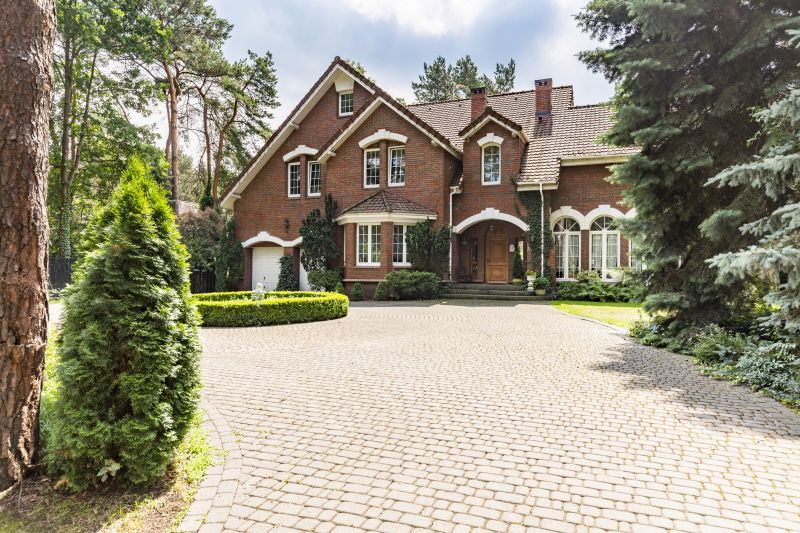
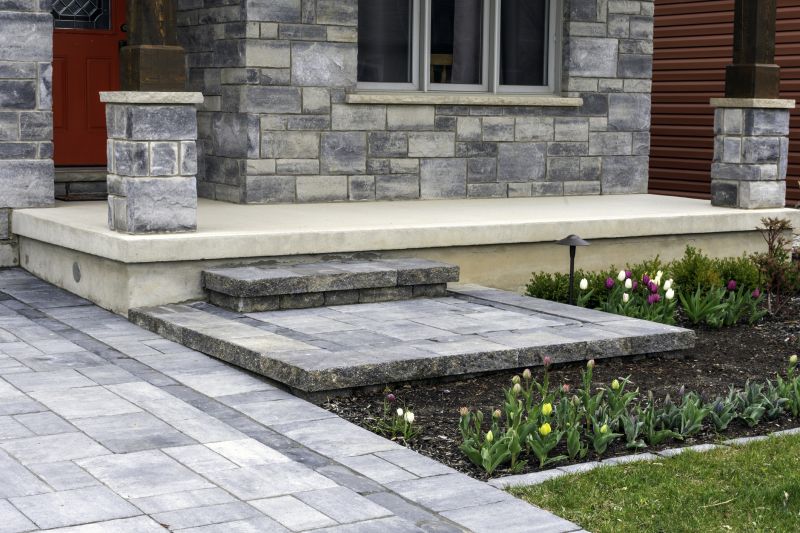
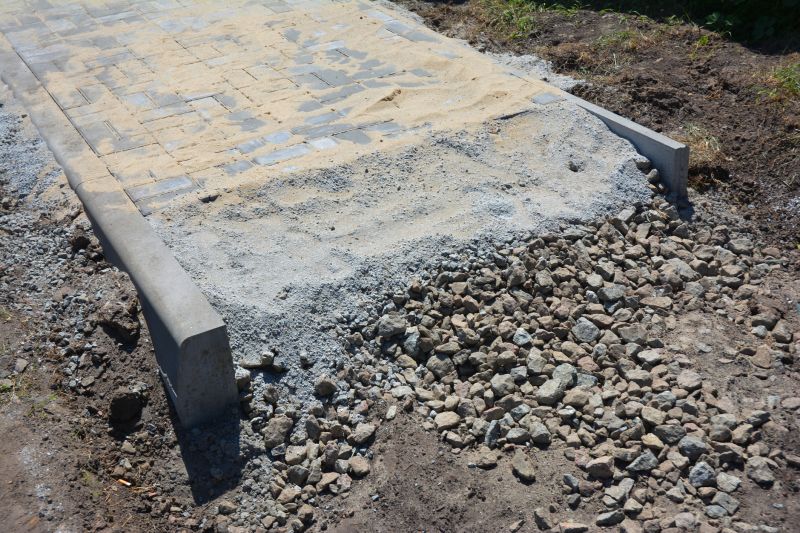
When homeowners search for signs it’s time to reseal your pavers, they are typically looking for clues that their paved surfaces need maintenance to preserve their appearance and durability. Pavers, whether used for driveways, patios, walkways, or pool decks, are investments that can last for many years when properly maintained. Over time, exposure to weather elements, foot traffic, and other environmental factors can cause the protective sealant to wear down or break apart. Recognizing early signs of deterioration helps prevent more significant issues like staining, surface erosion, or weed growth between pavers, which can be costly to repair. Homeowners often seek guidance on how to identify these signs so they can plan for resealing before problems become severe.
This topic relates closely to property maintenance and improvement plans that aim to extend the lifespan and visual appeal of paved areas. When the sealant begins to fade, crack, or peel, it indicates that the protective layer is compromised. This can lead to the pavers absorbing moisture or dirt more easily, resulting in stains or discoloration. Additionally, a worn seal can make the surface more susceptible to weed intrusion and moss buildup. Homeowners may also notice increased slipperiness or a rough texture on the surface, which can be both unattractive and unsafe. Recognizing these issues early allows property owners to schedule resealing services with local contractors who specialize in restoring paver surfaces, ensuring their outdoor spaces remain functional and visually appealing.
The types of properties where signs it’s time to reseal pavers are most commonly found include residential homes with driveways, patios, or pool decks, as well as commercial properties with walkways or outdoor seating areas. These surfaces are exposed to frequent use and weather conditions that accelerate sealant deterioration. In residential settings, homeowners often notice fading color or surface roughness around their pool area or along their walkways. Commercial properties, such as restaurants or retail centers, may see signs of wear that impact safety and aesthetics. Regardless of property type, the goal is to maintain a clean, attractive surface that withstands the elements and daily activity. Local service providers who specialize in paver sealing can assess the condition of these surfaces and recommend resealing when signs of wear appear.
Understanding the signs it’s time to reseal your pavers helps homeowners take proactive steps to protect their investment. Common indicators include visible cracks, loss of sheen, or a dull appearance that suggests the sealant has worn away. Stains that no longer come clean or an increase in weed growth between pavers also point to the need for resealing. When these signs are observed, it’s advisable to consult with local contractors experienced in paver sealing and restoration. These professionals can evaluate the surface’s condition, remove any existing debris or stains, and apply a fresh sealant to restore the surface’s protective barrier. Proper timing of resealing not only keeps outdoor areas looking their best but also extends the life of the pavers, making it an essential part of ongoing property maintenance.
Concrete sealing projects - sealing concrete surfaces requires similar surface preparation and application techniques as paver resealing, making local contractors skilled in both services.
Driveway paving and repair - installing and maintaining driveways involves planning and surface finishing skills that align with paver sealing processes.
Patio and walkway installation - creating durable outdoor surfaces involves planning, surface prep, and sealing work comparable to paver resealing services.
Stone and brick restoration - restoring natural stone and brick surfaces shares techniques in cleaning, sealing, and surface protection with paver sealing projects.
Outdoor surface cleaning - thorough cleaning to remove dirt and stains is a common first step that local service providers perform before sealing pavers.
Landscape hardscape construction - designing and installing hardscape features involves planning and surface finishing skills that support paver maintenance tasks.
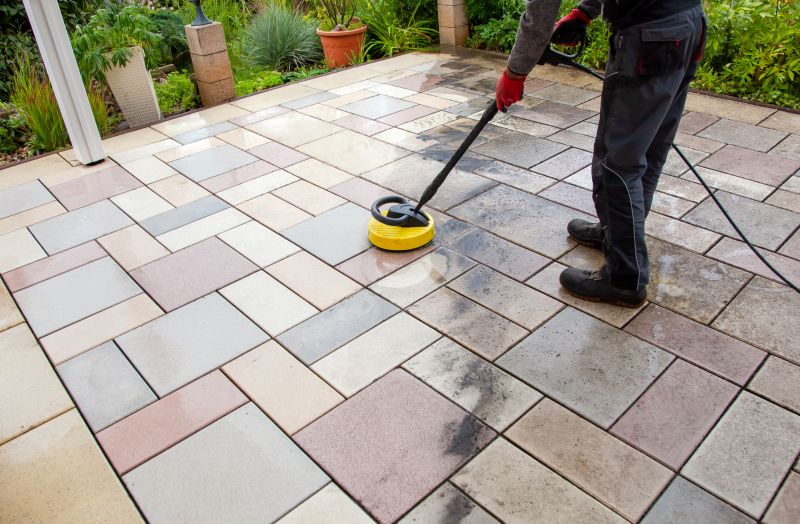
When evaluating service providers for paver resealing, it's important to consider their experience with similar projects. Homeowners should inquire about how long a contractor has been working with paver sealing and whether they have handled projects comparable in size and scope. An experienced contractor is more likely to understand the nuances of different paver materials and conditions, which can contribute to a more successful and durable resealing job. Additionally, asking for examples of past work or references related to paver sealing can provide insight into their expertise and the quality of their workmanship.
Clear, written expectations are essential when choosing a local contractor for paver resealing services. A reputable service provider will be able to outline the scope of work, the materials they plan to use, and any preparation or follow-up steps involved. Having these details documented helps ensure that both parties are aligned on the project’s goals and reduces the likelihood of misunderstandings. Homeowners should feel comfortable requesting a detailed description of the process, so they know what to expect and can assess whether the approach aligns with their needs.
Effective communication and reputable references are key factors in selecting a reliable contractor. Service providers who are transparent about their work process and willing to answer questions demonstrate professionalism and accountability. It’s also advisable to seek out references or reviews from previous clients who had similar paver sealing projects completed. Hearing about others’ experiences can help gauge the contractor’s reliability, responsiveness, and overall quality of work. Choosing a provider who communicates clearly and has a history of satisfied clients can contribute significantly to a smooth, successful resealing process.
Property owners often search for signs it’s time to reseal your pavers when they are planning practical projects around their homes and businesses. Local pros provide Paver Resealing services for everyday jobs and straightforward project options.
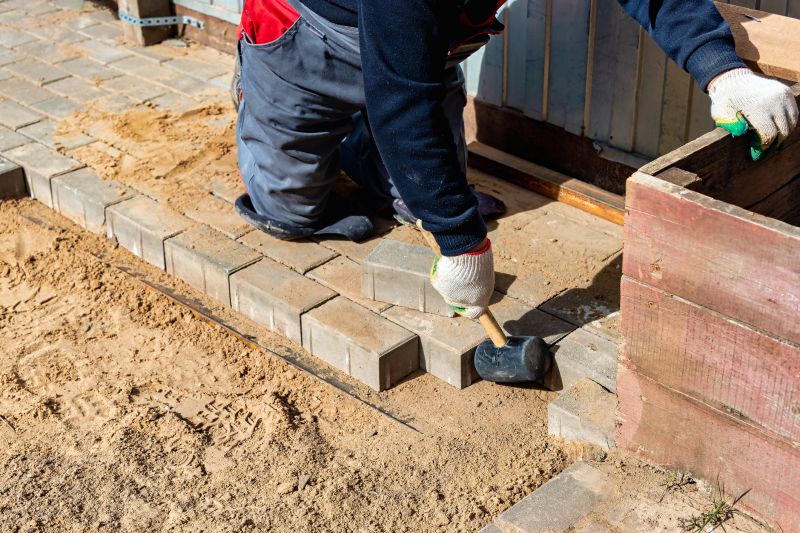
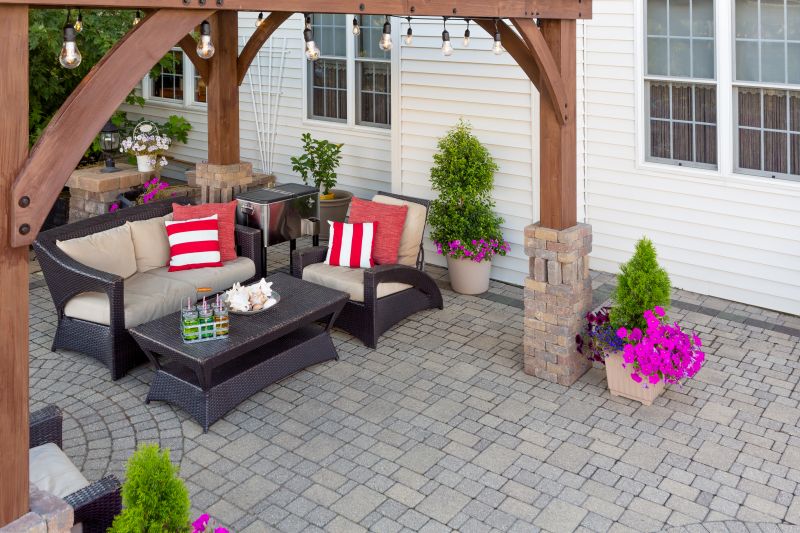
Property owners in the area often start to notice signs it’s time to reseal their pavers when the surface begins to look dull or faded, losing its original vibrancy. Cracks, chips, or uneven areas may also become more apparent, especially after harsh weather or heavy foot traffic. These visible issues can indicate that the protective sealant has worn down, leaving the pavers more vulnerable to stains, erosion, and further damage. When such signs appear, seeking out local contractors who specialize in paver resealing can help restore the appearance and durability of the surface, ensuring it continues to enhance the property's overall look.
Additionally, homeowners might observe that spills and stains are becoming more difficult to clean or that weeds and moss are starting to grow between the pavers. These are common indicators that the sealant’s protective layer has diminished, allowing moisture and organic growth to penetrate more easily. Resealing services provided by experienced local service providers can address these issues by applying a fresh coat of sealant, which acts as a barrier against future staining and growth. Regularly monitoring the condition of pavers and recognizing these signs can help property owners maintain their outdoor spaces effectively.
What are common signs that pavers need resealing? Visible wear, such as cracks, fading, or a dull surface, often indicates it’s time to consider resealing your pavers. Local contractors can assess the condition and recommend appropriate services.
How can I tell if the sealant on my pavers has worn off? If water no longer beads on the surface or stains begin to penetrate more easily, it suggests the sealant has deteriorated. Service providers can restore protection through resealing.
Are there specific weather conditions that signal the need for resealing? Exposure to frequent rain, snow, or intense sunlight can accelerate sealant breakdown, making it advisable to have your pavers resealed by local experts to maintain their appearance and durability.
What physical changes in pavers suggest resealing is necessary? The presence of loose or shifting pavers, along with surface discoloration, can be signs that resealing is needed to preserve the integrity of the installation. Local pros can evaluate and perform the necessary work.
Is it noticeable when the protective layer on pavers has worn out? Yes, a loss of shine, increased staining, or surface erosion are clear indicators that resealing can help protect and extend the life of your pavers. Local service providers can handle this maintenance for you.
Visible wear and staining - When pavers start showing stains or surface wear, it may be time to consider resealing with the help of local contractors.
Loss of shine or color fading - A dull or faded appearance can indicate that the protective seal has worn off, prompting a resealing project by local service providers.
Cracks or damage in the surface - Small cracks or surface deterioration can be addressed through resealing, which local pros can apply to help protect and restore pavers.
Frequent weed growth between pavers - Increased weed infiltration suggests the sealant may need renewal, and local contractors can reseal to prevent future issues.
If you are thinking about signs it’s time to reseal your pavers for a property, this guide is meant to help you understand this topic, the typical project types, and how different options might fit your plans.
When you are ready, you can use the quote form on this page to share a few details about your project. From there, local pros can review the basics and follow up with options that match what you have in mind.