Water Resistance and Drainage Benefits of Sealed Pavers
Paver sealing helps improve water resistance and drainage by protecting surfaces, and local service providers can ensure proper application for optimal results.
Property owners in the area often seek solutions that enhance the durability and functionality of their outdoor surfaces. Sealed pavers are a practical choice for improving water resistance and drainage, helping to prevent issues caused by excess moisture and pooling. Whether dealing with frequent rain or seasonal storms, understanding how sealed pavers can manage water flow is essential for maintaining a safe and attractive property. Local contractors specializing in paver sealing can evaluate existing surfaces and recommend treatments that optimize water management, making outdoor spaces more resilient and easier to maintain.
Exploring the water resistance and drainage benefits of sealed pavers can reveal ways to protect investments and improve outdoor usability. Proper sealing creates a barrier that reduces water infiltration, helping to prevent damage to underlying materials and minimizing the risk of erosion or shifting. Drainage improvements also contribute to a cleaner, safer environment by reducing standing water and potential slip hazards. Service providers in the area are equipped to handle paver sealing projects that enhance these features, ensuring outdoor areas remain functional and visually appealing even after heavy weather.
- Paver sealing services are often needed when homeowners want to improve water resistance and drainage of their paved surfaces to prevent water pooling and damage. Local contractors approach this by applying sealants that create a protective barrier, helping pavers resist water infiltration. Property owners seeking to maintain their paved areas’ longevity and prevent erosion may turn to local pros for expert sealing solutions. Sealed pavers with enhanced water resistance can reduce the risk of standing water and improve runoff efficiency after heavy rains. Those looking to protect their investment and ensure proper drainage often contact local service providers for professional paver sealing.
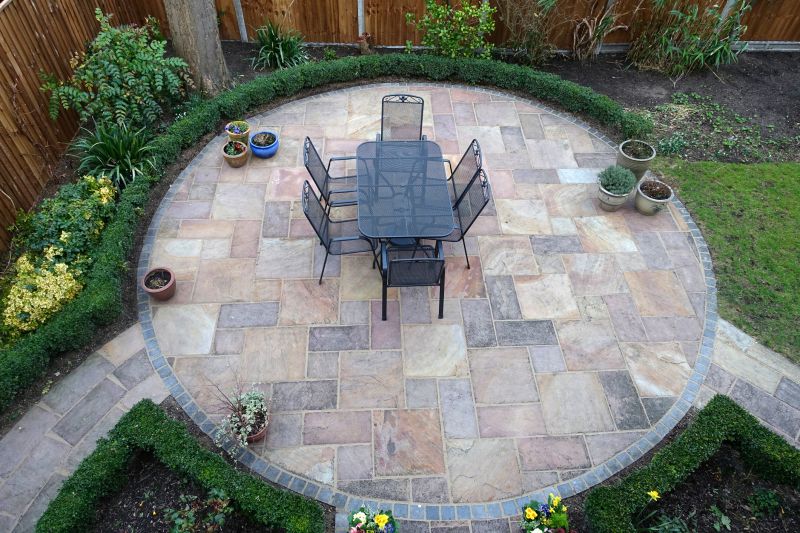
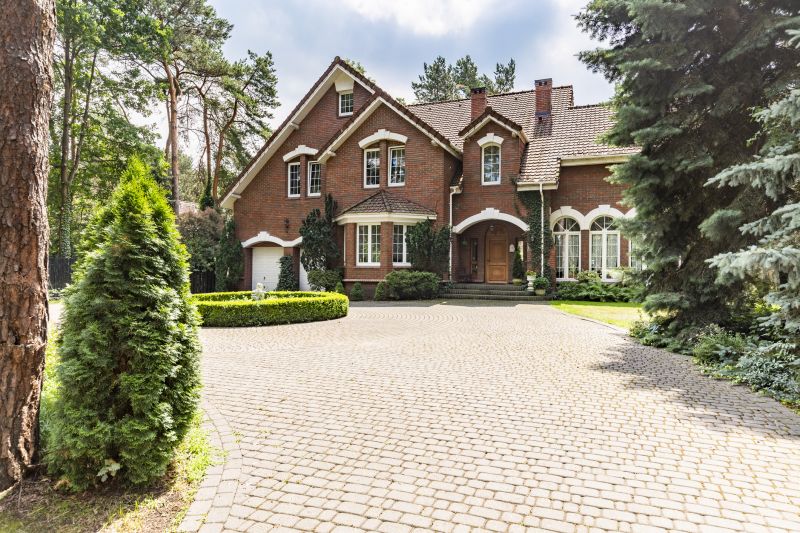
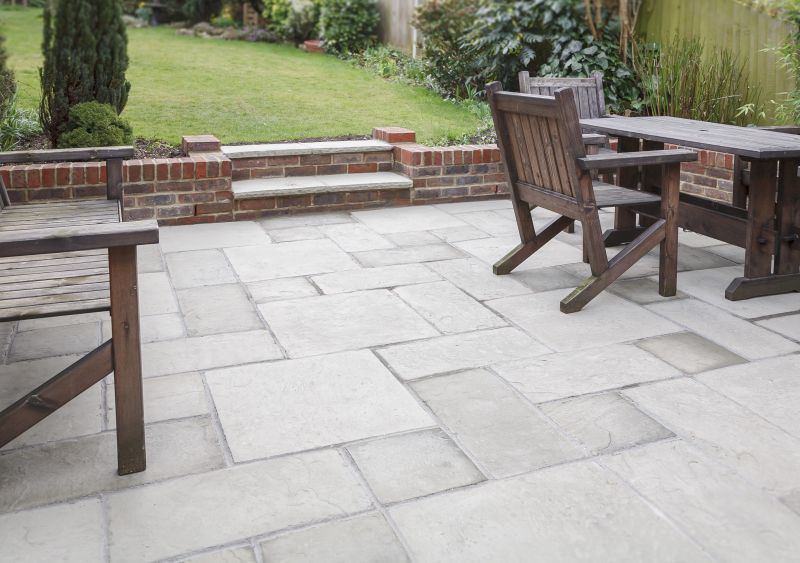
When homeowners search for information about the water resistance and drainage benefits of sealed pavers, they are often looking to improve the durability and functionality of outdoor surfaces like driveways, patios, and walkways. Sealed pavers are treated with protective coatings that help prevent water from penetrating the surface, reducing the risk of damage caused by moisture. This is especially important in areas prone to heavy rainfall or freeze-thaw cycles, where water can seep into unsealed pavers and cause issues such as cracking, shifting, or erosion over time. Understanding how sealing enhances water resistance can help property owners make informed decisions about maintaining and improving their outdoor spaces.
Many property owners consider sealed pavers as part of larger projects aimed at preventing water-related problems or preparing for future landscaping plans. For example, sealing pavers can be a key step in creating a resilient outdoor area that withstands seasonal weather changes and foot traffic. It can also be a proactive measure to avoid costly repairs caused by water infiltration, such as base erosion or weed growth between pavers. Homeowners with driveways, pool decks, or commercial properties looking to improve drainage often explore sealing options to ensure water flows properly across surfaces, reducing pooling and standing water that can lead to safety hazards or surface deterioration.
The types of properties that typically come up in discussions about water resistance and drainage benefits of sealed pavers include residential homes, especially those with driveways, patios, or walkways, as well as commercial properties like retail centers or office complexes. Larger landscaped areas and outdoor entertainment spaces also benefit from sealing, as it helps maintain a clean, functional surface while managing water runoff effectively. These properties often face challenges related to water pooling or surface damage caused by moisture, making sealing an attractive solution. Local contractors who specialize in paver sealing can assess specific property needs and recommend suitable sealing products to optimize water resistance and drainage.
Understanding the role of sealed pavers in water resistance and drainage is essential for property owners planning outdoor improvements or seeking to maintain their existing surfaces. Proper sealing creates a barrier that prevents water from seeping into the paver base, which can lead to shifting or cracking. It also promotes better water runoff, minimizing puddles and reducing the likelihood of standing water that can cause safety issues or damage the surface over time. Local service providers experienced in paver sealing can help evaluate property conditions, recommend appropriate sealing solutions, and ensure that the finished surface effectively manages water, ultimately extending the lifespan and appearance of outdoor paved areas.
Driveway Paving Projects - Professionals experienced in driveway paving can apply sealing techniques that enhance water resistance and drainage, preventing water pooling and damage.
Patio and Outdoor Living Space Installations - Local contractors can seal pavers in outdoor living areas to improve water runoff and protect against moisture infiltration.
Walkway and Pathway Construction - Skilled service providers can ensure proper sealing of pavers to optimize drainage and reduce slip hazards caused by water accumulation.
Pool Deck Paver Installations - Experts can enhance water resistance on pool decks, aiding in effective drainage and minimizing water-related wear.
Landscape and Garden Pathways - Sealing services help garden pathways manage water flow efficiently, preventing erosion and surface damage.
Commercial Paver Projects - Local contractors can apply sealing solutions to commercial paver surfaces, ensuring durable water resistance and effective drainage for high traffic areas.
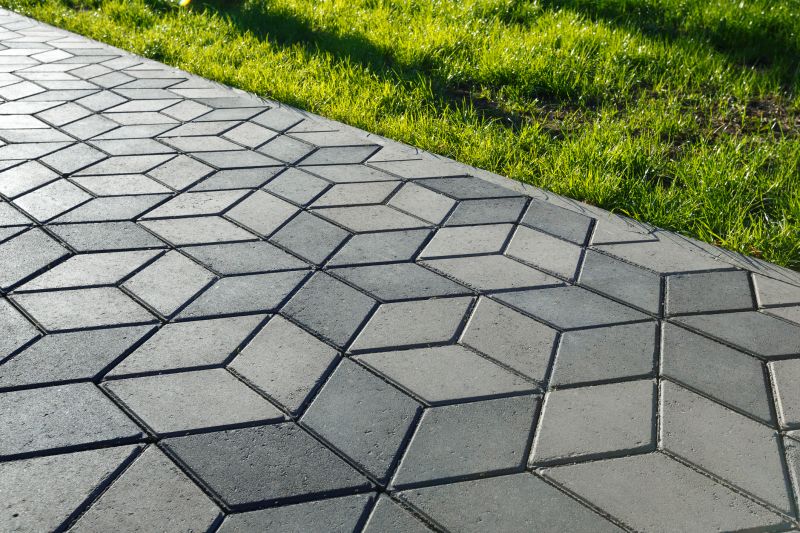
When evaluating service providers for paver sealing that enhances water resistance and drainage benefits, it is important to consider their experience with similar projects. Homeowners should inquire about the types of paving surfaces they have worked on and whether they have handled sealing projects that focus specifically on improving water runoff and preventing pooling. A contractor’s familiarity with different paver materials and their understanding of how sealing impacts drainage can contribute to achieving the desired water-resistance outcomes, ensuring the job is done correctly the first time.
Clear written expectations are essential when comparing local contractors for paver sealing services. Homeowners should seek detailed descriptions of the scope of work, including surface preparation, sealing techniques, and expected results related to water resistance and drainage. Having a comprehensive understanding of what the contractor plans to do helps prevent misunderstandings and ensures that the project aligns with the homeowner’s goals for improved water management and durability of the paved surfaces.
Reputable references and effective communication are key factors in selecting a reliable service provider. Homeowners are encouraged to ask for references from previous clients who had similar paver sealing projects focused on water resistance and drainage benefits. Additionally, a contractor’s responsiveness and clarity in explaining the process can provide confidence in their professionalism and commitment to quality work. Good communication helps ensure that expectations are met and that any questions or concerns are addressed throughout the project, resulting in a successful outcome.
Property owners often search for water resistance and drainage benefits of sealed pavers when they are planning practical projects around their homes and businesses. Local pros provide Paver Sealing services for everyday jobs and straightforward project options.
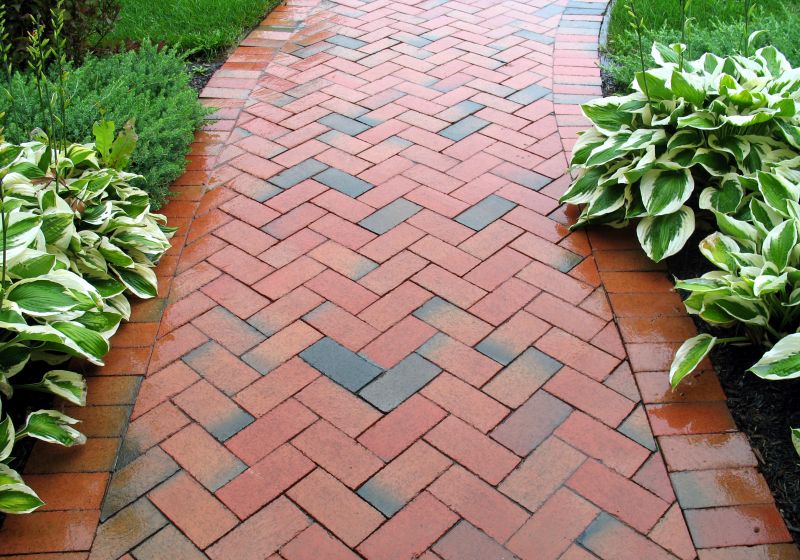
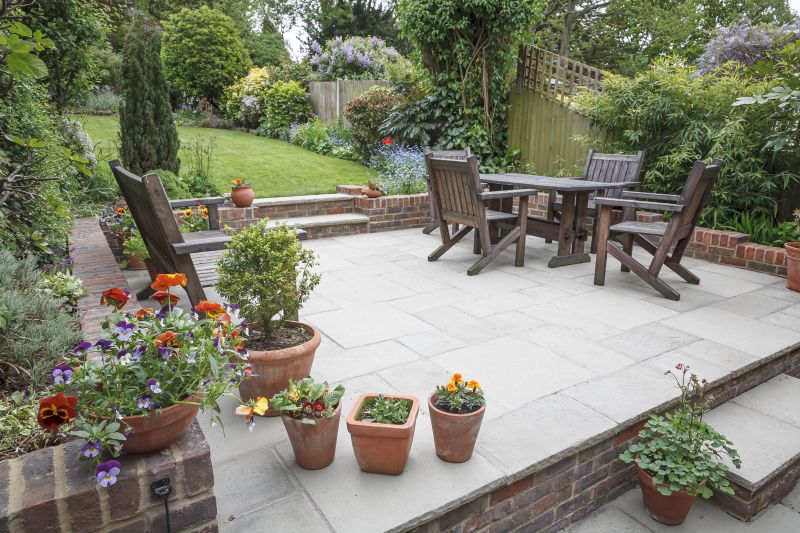
Sealed pavers offer notable water resistance and drainage benefits that can help property owners better manage rainfall and prevent unwanted water pooling. When pavers are properly sealed, a protective layer is created that reduces the likelihood of water seeping into the spaces between the stones, which can otherwise lead to erosion or damage over time. This added resistance makes surfaces more durable and easier to maintain, especially during heavy rainstorms or frequent wet conditions common in many local areas.
Additionally, the water resistance and drainage benefits of sealed pavers can contribute to a safer, more functional outdoor space. Proper sealing helps ensure that excess water flows smoothly off paved surfaces, reducing the risk of puddles forming and minimizing slip hazards. Local contractors skilled in paver sealing can assess existing installations and apply the right protective treatments to enhance drainage, ultimately helping property owners preserve the longevity of their paved areas and improve overall outdoor usability.
How does sealing pavers improve water resistance? Sealing pavers creates a protective barrier that reduces water penetration, helping prevent damage caused by moisture and water pooling.
What are the drainage benefits of sealed pavers? Sealed pavers facilitate better drainage by minimizing surface water absorption and reducing the likelihood of puddles and runoff issues.
Can sealing pavers help prevent weed and moss growth? Yes, sealing pavers can inhibit the growth of weeds and moss by blocking their root and spore penetration, contributing to easier maintenance.
Are sealed pavers more resistant to staining and erosion? Sealing enhances resistance to stains and erosion by providing a surface that is less porous and more durable against environmental elements.
How do local contractors ensure optimal water resistance and drainage after sealing? Local service providers use specialized sealing products and techniques to ensure the pavers achieve maximum water resistance and proper drainage functionality.
Enhance water resistance and drainage benefits of sealed pavers by applying a high-quality sealant to prevent water infiltration during heavy rainfalls, protecting the underlying surfaces.
Improve runoff management by sealing pavers to minimize pooling and ensure water flows efficiently away from walkways and driveways, reducing erosion risks.
Protect against staining and damage by sealing pavers, which helps maintain their drainage properties and prevents water from seeping into the base layers.
Increase longevity of paved surfaces by choosing sealing options that bolster water resistance and drainage, making outdoor areas more durable over time.
If you are thinking about water resistance and drainage benefits of sealed pavers for a property, this guide is meant to help you understand this topic, the typical project types, and how different options might fit your plans.
When you are ready, you can use the quote form on this page to share a few details about your project. From there, local pros can review the basics and follow up with options that match what you have in mind.